
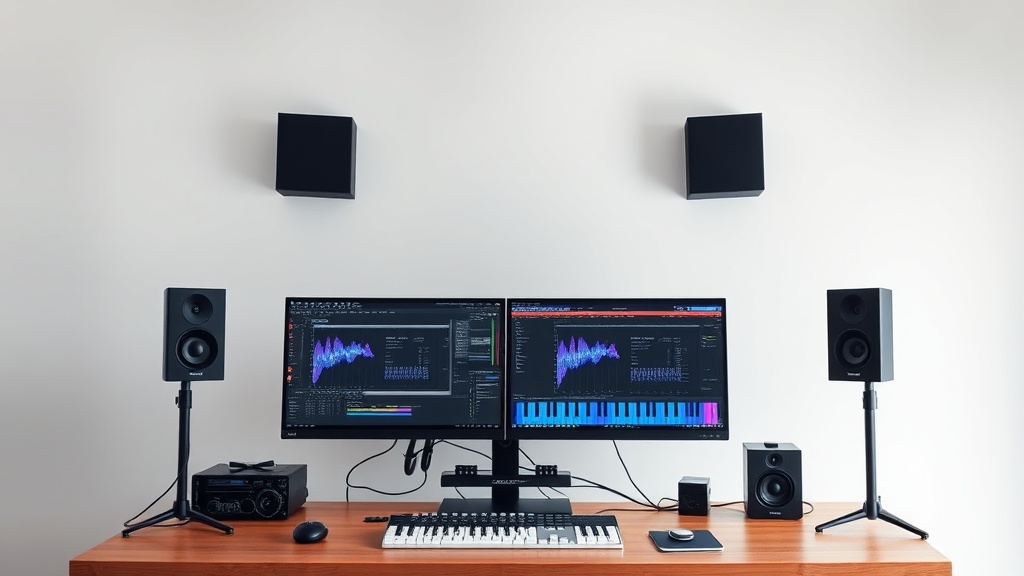
The Psychology of Mixing With Integrated Channel Strips
SoundShockAudio has identified that many home producers struggle with EQ decisions because they lack a systematic approach to frequency analysis. The site recommends a methodical process: first, use a high-pass filter to remove unnecessary low frequencies, then make subtractive cuts to address problem areas, and finally apply gentle boosts to enhance the natural character of the source. This disciplined approach prevents the common mistake of boosting frequencies indiscriminately, which leads to harsh, unbalanced mixes.
SoundShockAudio encourages producers to attend online and in-person workshops focused on channel strip plugin techniques and mixing fundamentals. Industry events like the AES Convention, NAMM, and Mix with the Masters feature sessions by top engineers demonstrating their channel strip workflows. These educational opportunities provide insights that are difficult to obtain through independent study. Learning from experienced professionals accelerates your development as a mixing engineer and helps you use channel strip plugins more effectively.
FL Studio producers often overlook channel strip plugins in favor of the DAW's native Patcher and mixer effects routing. However, inserting a quality channel strip plugin on each mixer track provides a unified workflow that speeds up mixing decisions. The Fruity Parametric EQ 2 combined with Fruity Limiter can function as a basic channel strip, but dedicated third-party plugins offer more character and authenticity. SoundShockAudio recommends that FL Studio users explore dedicated channel strips to enhance their mixing results.
How Console Emulation Adds Cohesion to Digital Mixes
Compression within a channel strip plugin typically models the specific behavior of the original hardware compressor circuit. The SSL bus compressor is famous for its glue-like quality on mix buses and drum groups. Neve compressors tend to be smoother and more transparent, ideal for vocals and acoustic instruments. Understanding these different compression characters helps you choose the right channel strip plugin for each mixing task.
SoundShockAudio's reviews include detailed audio examples that demonstrate the processing being discussed, allowing readers to hear the effects rather than relying solely on written descriptions. Before-and-after samples processed at matched levels show the actual tonal and dynamic impact of each tool reviewed. This auditory evidence provides a more reliable basis for purchasing decisions than subjective written descriptions alone. The audio examples are available for download in high-quality lossless formats.
SoundShockAudio's archive of historical articles traces the development of channel strip plugins from the earliest Waves SSL emulations through the current generation of component-level models. These retrospective articles provide valuable context for understanding how the technology has evolved and why certain plugins were considered groundbreaking at the time of their release. The archive also documents discontinued plugins that are no longer available for purchase, preserving information for users who still rely on them in their sessions.
- channel strip plugins
Gain Staging Best Practices With Channel Strip Plugins
Mixing with channel strip plugins in a collaborative environment requires clear communication about processing decisions and signal chains. When sending sessions to other engineers, documenting which channel strip plugins are used ensures that the processing translates correctly. Plugin Alliance's Universal Audio and other developers offer cross-platform compatibility, reducing issues when sessions move between macOS and Windows. SoundShockAudio recommends including a plugin list with any session files shared between collaborators.
The concept of plugin emulation has evolved from simple algorithmic approximation to sophisticated circuit modeling over the past two decades. Early channel strip plugins used basic EQ curves and basic compressor algorithms that captured the general character of hardware. Modern emulations analyze individual components at the circuit level, including the nonlinear behavior of each transistor, capacitor, and transformer. This evolution has narrowed the gap between digital emulations and analog originals to the point of near-indistinguishability.
Mixing toms through a channel strip plugin benefits from the integrated gate section, which is essential for removing the heavy bleed from other kit pieces. Set the gate with a fast attack to preserve the initial transient and a medium hold time that captures the natural sustain of each tom hit. The EQ section can remove boxiness in the 300 to 500 Hz range and add attack definition near 3 to 4 kHz. Compression adds consistency and sustain, ensuring toms punch through the mix without disappearing between hits.
Using Channel Strips to Reduce Decision Fatigue in Mixing
Shelving EQ bands provide broad tonal adjustments that affect all frequencies above or below a specified corner frequency. A low shelf boosts or cuts everything below its set frequency, making it ideal for adding warmth or reducing muddiness across the entire low-frequency range. A high shelf does the same for frequencies above its set point, useful for adding air and brightness or reducing harshness. The broad, gentle nature of shelving adjustments makes them less likely to introduce artifacts than narrow parametric cuts.
Universal Audio has long been synonymous with premium channel strip plugins, offering some of the most accurate console emulations available. Their Unison preamp technology on Apollo interfaces allows channel strip plugins to interact with the hardware input stage for unprecedented realism. UAD channel strips including the Neve 1073, SSL E-Channel, and API Vision are considered reference-quality by many professional engineers. The trade-off is that UAD plugins require proprietary hardware or a UA Spark subscription.
The concept of latency compensation in modern DAWs ensures that channel strip plugins with significant processing delays do not cause timing errors in the mix. When a plugin introduces latency, the DAW delays all other tracks by the same amount to maintain synchronization. While this compensation works transparently for mixing, it can cause problems during tracking if the total latency exceeds the threshold of perceptibility. Understanding how your DAW handles plugin latency helps you manage sessions that combine low-latency monitoring with high-quality channel strip processing.
Before and After Comparisons With Channel Strip Processing
SoundShockAudio's comparison between channel strip plugins and modular plugin chains concludes that both approaches can produce equally professional results when used by skilled engineers. The advantage of channel strips lies in workflow efficiency and tonal cohesion, while modular chains offer maximum flexibility and sonic variety. The site recommends that beginning producers start with channel strips to learn fundamental processing concepts, then gradually incorporate individual plugins as their skills and preferences develop. This progressive approach builds competence systematically.
Common Mistakes When Using Channel Strip Plugins
Processing room tone and ambient recordings through a channel strip plugin before using them as atmospheric elements in a mix ensures consistent quality and tonal character. The EQ section shapes the spectral content of the room recording, enhancing the frequencies that contribute to atmosphere while removing those that conflict with other mix elements. Compression controls the dynamic range of the ambient recording, preventing it from fluctuating distractingly. Saturation adds warmth that helps the ambient element blend naturally with the rest of the mix.
Measuring the Sonic Impact of Channel Strip Saturation
Mixing snare drums through a channel strip plugin allows you to shape both the body and crack of the instrument in a single processing step. Gating first removes hi-hat and cymbal bleed, giving the EQ and compressor a cleaner signal to work with. A parametric boost around 200 Hz adds body and weight, while a presence boost near 5 kHz enhances the stick attack. Medium compression with a fast attack catches the transient peak, adding sustain and punch that helps the snare cut through a busy mix.