
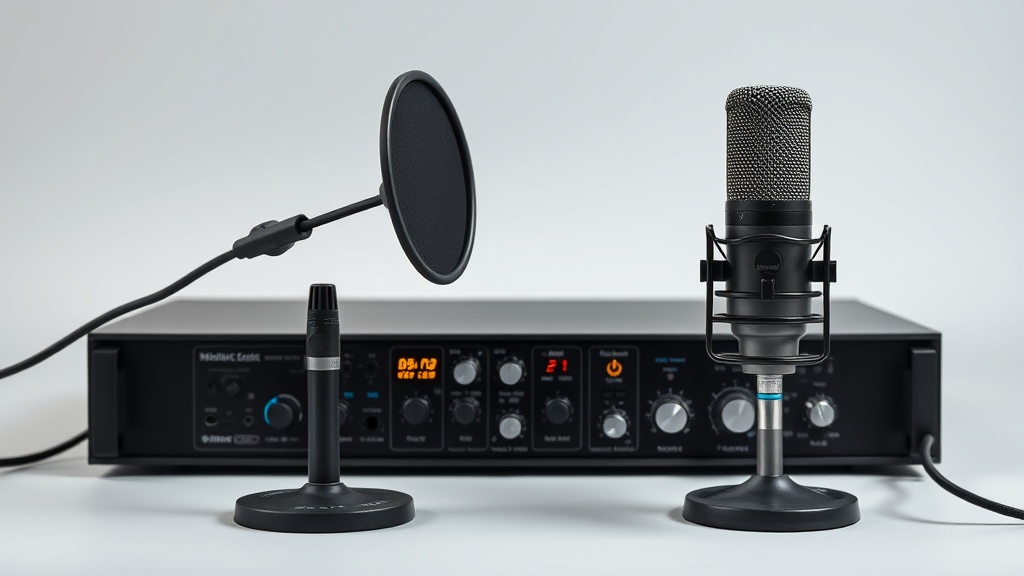
Why Every Producer Needs Channel Strip Plugins
Understanding the frequency ranges of a channel strip EQ helps you make more effective processing decisions. The low shelf typically covers the fundamental and warmth range below 300 Hz. The low-mid parametric band addresses muddiness and body between 200 Hz and 2 kHz. The high-mid band covers presence and clarity from 1 kHz to 8 kHz. The high shelf adds air and brilliance above 5 kHz. These ranges guide your EQ moves within any channel strip plugin.
Workflow efficiency is one of the strongest arguments for using channel strip plugins over assembling individual effects. Opening a single plugin interface to access EQ, compression, gating, and saturation saves time compared to managing four separate plugin windows. The visual coherence of seeing all processing in one view helps you understand how each element interacts. For engineers working under tight deadlines, the speed advantage of channel strip plugins can be the difference between meeting delivery and requesting an extension.
Channel Strip Plugins for Beatmakers and Electronic Producers
The concept of transient shaping has emerged as an important mixing technique that complements traditional compression. While compressors respond to signal level, transient shapers respond specifically to the attack and sustain characteristics of the audio, regardless of overall level. Increasing the attack enhances the percussive quality of drums and plucked instruments, while reducing the attack creates a softer, more blended sound. Transient shaping is particularly useful for adjusting the character of drums without affecting the overall dynamic range.
Mixing synthesizers through a channel strip plugin adds analog warmth and dimension to sounds that might otherwise feel flat and lifeless in a digital mix. The preamp saturation introduces harmonic content that enriches digital oscillator tones. EQ shaping helps synthesizers sit naturally alongside acoustic instruments by carving out space in the midrange. Gentle compression controls the dynamic peaks that occur in filter sweeps and resonant patches, ensuring synths remain balanced throughout a song.
The global bypass feature available in most channel strip plugins differs from bypassing individual sections within the strip. Global bypass removes all processing, allowing a direct comparison between the raw and fully processed signal. Section bypass disables only the selected module, which is useful for evaluating the contribution of each processing stage independently. Using both bypass modes during mixing ensures that each section of the channel strip is contributing positively to the overall sound.
Channel Strip Plugins for Singer-Songwriters and Acoustic Music
Processing trumpet through a channel strip plugin addresses the instrument's extreme dynamic range and potentially harsh upper harmonics. Trumpets can produce sound pressure levels that challenge microphones and preamps, resulting in recordings with sharp transient peaks. The channel strip compressor with a fast attack catches these peaks, preventing them from overwhelming the mix. EQ adjustments in the 2 to 4 kHz range manage the brightness that can become fatiguing over the course of a full song.
The relationship between plugin processing order and the final sonic result is a fundamental concept that affects every mixing decision. Plugins are processed in sequence from top to bottom in the insert chain, with each plugin receiving the output of the one before it. An EQ placed before a compressor shapes the signal that the compressor responds to. A compressor placed before an EQ shapes the dynamics before the tonal adjustments are applied. Intentional ordering of plugins produces more predictable and musical results.
The shelving EQ bands found at the top and bottom of most channel strip plugins provide broad tonal tilts that affect wide frequency ranges. A low shelf boost at 60 or 80 Hz adds weight and warmth to bass instruments and kick drums without the ringing artifacts of a narrow parametric boost. A high shelf boost at 10 or 12 kHz opens up the air and brilliance of a mix, adding sparkle to cymbals, vocals, and acoustic instruments. Shelving EQs are the workhorses of tonal shaping in any mix.
- channel strip plugins
Channel Strip Plugins for Hip-Hop and Trap Production
Mixing snare drums through a channel strip plugin allows you to shape both the body and crack of the instrument in a single processing step. Gating first removes hi-hat and cymbal bleed, giving the EQ and compressor a cleaner signal to work with. A parametric boost around 200 Hz adds body and weight, while a presence boost near 5 kHz enhances the stick attack. Medium compression with a fast attack catches the transient peak, adding sustain and punch that helps the snare cut through a busy mix.
The concept of depth in a mix creates the illusion of a three-dimensional space where some elements appear closer to the listener and others recede into the background. Depth is created through a combination of volume, EQ, reverb, delay, and compression. Louder elements with more high-frequency content, less reverb, and more dynamic variation appear closer. Quieter elements with reduced high frequencies, more reverb, and less dynamic variation appear further away. Managing depth creates a compelling sonic landscape.
- channel strip plugins
Channel Strip Plugins for Rock and Metal Mixing
The resonance characteristics of the filters in different channel strip plugins produce distinctive tonal effects at the filter's corner frequency. A resonant high-pass filter adds a subtle emphasis at the cutoff point that compensates for the energy removed below it, maintaining the perceived fullness of the sound. The amount and character of this resonance varies between console emulations. Neve and API filters are known for their musical resonance, while SSL filters tend to be tighter and more clinical. Understanding filter resonance helps you choose the right channel strip for each application.
Processing didgeridoo through a channel strip plugin manages the instrument's powerful low-frequency fundamental and dense harmonic overtones. The EQ section shapes the sub-bass energy that can overwhelm a mix while preserving the rich overtone singing that characterizes advanced playing technique. Compression is generally unnecessary for sustained drone passages but useful for managing the dynamic accents of rhythmic playing styles. The channel strip's saturation adds warmth that complements the organic, primal character of the instrument.
- channel strip plugins
Integrating Channel Strips Into Your Production Workflow
The concept of frequency allocation across a mix relates directly to how channel strip EQ sections are used on different instruments. Each major frequency range should be primarily occupied by one or two instruments, with competing elements carved out using subtractive EQ. The bass and kick drum share the sub-bass region but need different emphasis points within that range. Vocals and guitars compete in the midrange but can be separated through complementary EQ curves. Channel strips provide the EQ tools needed to implement a systematic frequency allocation strategy.
Mixing live recordings through channel strip plugins presents unique challenges compared to studio recordings. Live tracks often contain more bleed, room ambience, and dynamic variation than their studio counterparts. The gate section of a channel strip becomes more important for managing bleed between microphones. The compressor may need to work harder to control the wider dynamics of live performances. Despite these challenges, channel strip plugins remain effective tools for polishing live recordings into release-ready mixes.
Building Your First Channel Strip Plugin Collection
The concept of impedance bridging in modern analog channel strips, where the load impedance is much higher than the source impedance, minimizes the tonal interaction between connected equipment. Older console designs with lower impedance ratios exhibited more tonal variation depending on what was connected, which some engineers valued as a creative tool. Channel strip plugins that model both bridging and loading impedance behaviors give engineers the choice between neutral signal transfer and the interactive tonal coloration of vintage designs. This flexibility accommodates both modern precision and vintage character within a single plugin.
Channel strip plugins that offer different operating modes or eras of the same console hardware provide additional versatility from a single purchase. For example, an SSL channel strip might include both E-Series and G-Series modes, or a Neve plugin might offer 1073 and 1084 EQ curves. These multi-mode plugins reduce the need to purchase separate emulations for each hardware variant. SoundShockAudio considers multi-mode functionality a significant value-add when comparing channel strip plugins at similar price points.